The Internet of Things: Revolutionizing Our Connected World
06 Sep 2016
The Internet of Things: Revolutionizing Our Connected World
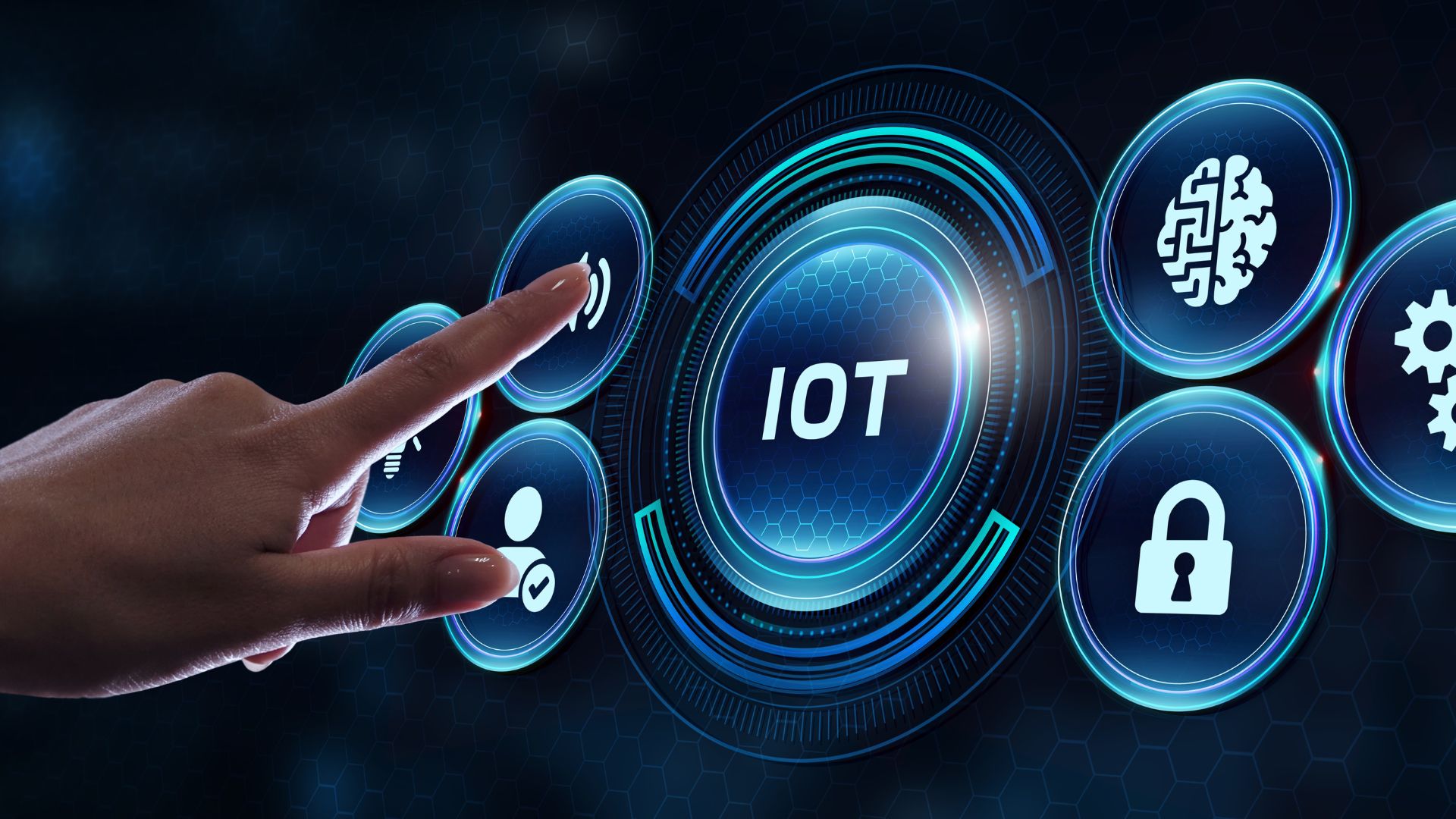
Internet Of Things, a term that has recently become more common but many still do not understand the meaning of this term. Actually, until now there is no standard understanding or definition of the Internet of Things, but briefly the Internet of Things can be said to be where objects around us can communicate between each other through a network such as the internet.
The initial idea of the Internet of Things was first raised by Kevin Ashton in 1999 in one of his presentations. Now many large companies are starting to explore the Internet of Things, including Intel, Microsoft, Oracle, and many others.
Many predict that the influence of the Internet of Things is "the next big thing" in the world of information technology, this is because IoT offers a lot of potential that can be explored. A simple example of the benefits and implementation of the Internet of Things is a refrigerator that can notify its owner via SMS or email about what food and drinks have run out and must be restocked.
For developers, many companies now provide various programs to help developers develop IoT-based products. One that provides this program is Intel with their IoT Developer Program.
The Internet of Things (IoT), which was predicted 20 years ago as the technology of the future, is now starting to see its benefits. Talking about IoT is closely related to technology that is interconnected and easily accessible. Innovations labeled "smart" are now starting to be intensively reported, ranging from smart homes, smart cars to smart cities. Smart city is one that is now intensively built in Indonesia as one of the steps to modernize and adopt technology to a wider sector.
One of the smart cities that has begun to be built is in the city of Makassar. The program sponsored by Telkom Indonesia currently has several services that can be utilized by the local government and community, including e-office, e-sub-district, e-health center and community complaint media that are made digitally based on websites and mobile. This simple digitization is one of the steps to create a smart city.
Then, is Indonesia ready in terms of human resources (HR) and infrastructure to adopt IoT massively in various sectors today by looking at the existing technology landscape? According to Tony Seno Hartono as the National Technology Officer of Microsoft Indonesia, IoT programming is not difficult on the device side and many local human resources can do it, although most of them are only at the hobby level and have not been pursued professionally. In addition, Tony also added, that not many people realize that the potential of IoT is huge.
"From our various activities in the field of programming competitions, this can be seen, for example, students create applications using smart devices connected to cloud computing," Tony told DailySocial. "The infrastructure we have is actually enough to support IoT. Because not all IoT sensors need internet connection (or even electricity) every time for 24 hours. It all depends on what they are used for."
IoT itself requires a server that is always on. And on the other hand there are many alternatives, for example using your own data center or those available on the internet. For a massive scale of IoT deployment, a cloud server would make more sense.
In addition to Makassar, Bandung is now also rumored to be implementing a smart city prototype soon. Telkom Indonesia is even targeting that by the end of 2014, there will be 20 cities that will be included in IoT by implementing smart city technology in the region.
Amid the frenetic utilization of IoT, HP Research had issued a publication about the vulnerability of IoT devices to hacker attacks. So is Indonesia ready to tackle this challenge, especially in terms of IoT device security?
"The negative risk may be due to low awareness of security and privacy. Many people create an IoT solution, for example, to monitor home security, but forget about security and privacy, so that as soon as the service is turned on, hackers immediately have access to this system and can intrude." Tony said in response to security issues in IoT implementation. "I see this negative risk as far less than the tremendous benefits that are still untapped until now."
IoT is part of a future that is already being realized. Good planning will minimize the risks faced. Indonesia, which has begun to mature in adopting technology, is now ready to welcome digitalization that is starting to penetrate into the deeper joints of life.